

Kidney Stone Treatment in Faridabad
Kidney stone treatment depends on the size and position of the stone — small stones may pass with fluids and medication, while larger stones need a procedure to break or remove them.
- Urology
- 5-step procedure
At a glance
- Department
- Urology
- Hospital
- Goga Ji Hospital
- Location
- Jawahar Colony, Near Disposal Chowk, Faridabad
- Appointments
- +91-9266088551
This page explains what the procedure involves, who it suits, what recovery typically looks like and what the risks are, so you arrive at your appointment already informed rather than deciding on the spot.
What is kidney stone treatment?
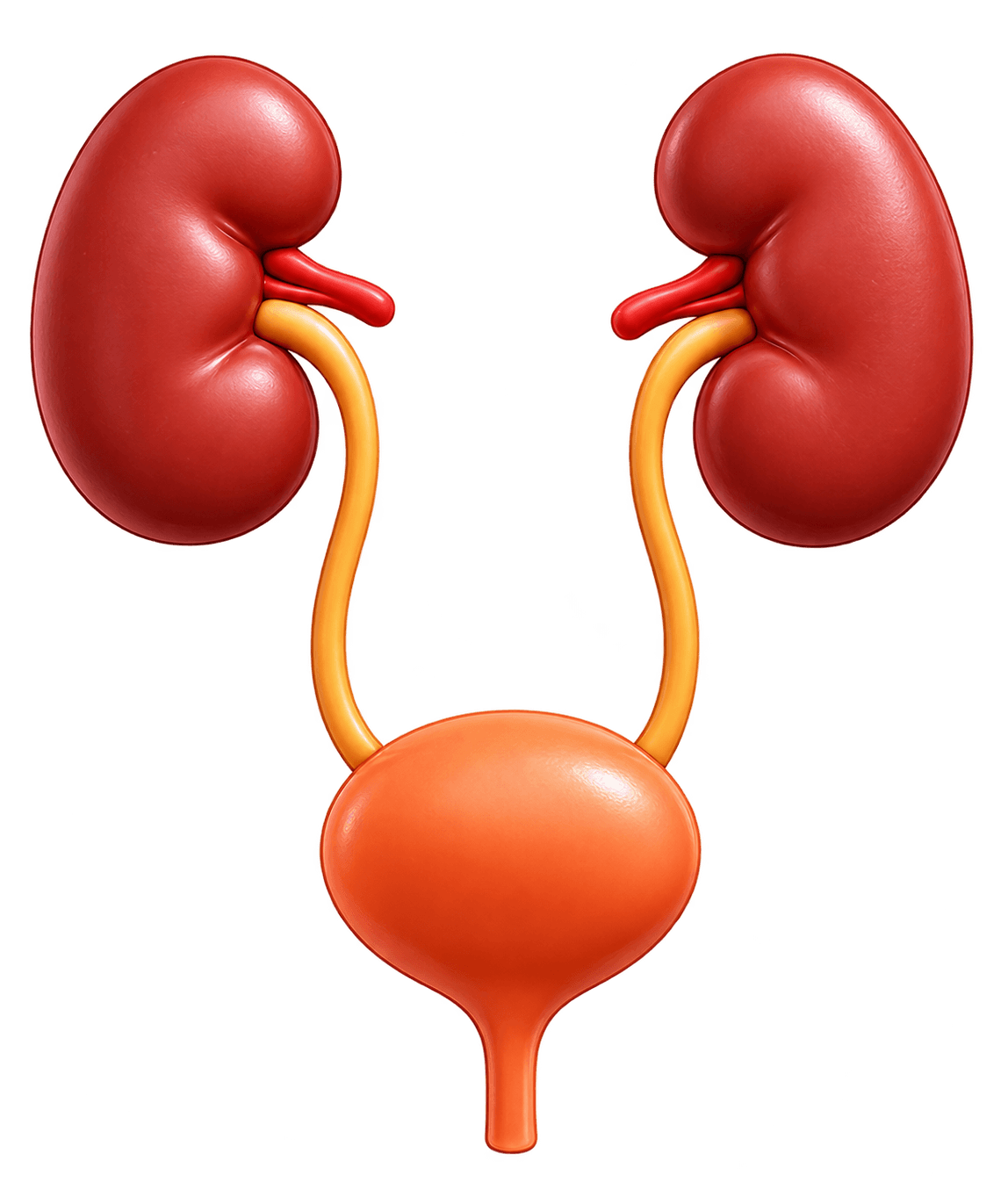
Kidney stones are hard deposits that form in the kidney from minerals in the urine. Small ones often pass out on their own, painfully but without lasting harm. Larger ones can lodge in the tube between kidney and bladder, block the flow of urine, and cause pain that people frequently describe as the worst they have experienced.
Treatment depends almost entirely on the size and position of the stone, which is why imaging comes first. The options run from fluids and pain relief through to procedures that break the stone up or remove it.
Who needs it
The first two are urgent.
- Severe pain in the side or back radiating to the groin, particularly with vomiting — come to emergency
- Fever alongside stone pain, or being unable to pass urine — come to emergency, as an infected, obstructed kidney is a serious emergency
- A stone confirmed on imaging that is too large to pass
- A stone causing obstruction to the kidney
- Repeated episodes of stone pain
- Blood in the urine with flank pain
- Stones in both kidneys, or a single functioning kidney
Types
Treatment is matched to the size, position and hardness of the stone.
Conservative management
Fluids, pain relief and time, for small stones likely to pass on their own — with follow-up to confirm they have.
Shock wave treatment
Focused energy applied from outside the body to break a stone into fragments small enough to pass.
Ureteroscopy
A fine telescope passed up through the urinary tract to reach the stone directly and break or retrieve it. No incision.
Keyhole kidney surgery
For large stones, accessed through a small track directly into the kidney.
Emergency drainage
Where an obstructed kidney is infected, drainage takes priority and the stone is dealt with afterwards.
How the procedure works
The path is the same regardless of which treatment is chosen: confirm, relieve, then treat.
- 1
Pain relief and assessment
Controlling the pain comes first, alongside examination and urine testing.
- 2
Imaging
Imaging to establish the size and exact position of the stone and whether the kidney is obstructed.
- 3
Deciding the approach
Small stones may be given time to pass. Larger or obstructing stones are treated actively.
- 4
The procedure
Performed under anaesthetic, through the urinary tract or via a small track into the kidney, depending on the approach.
- 5
Stent and follow-up
A temporary stent is often left to keep the ureter open while swelling settles, and removed at a later appointment.
Preparing for it
For a planned stone procedure.
- Urine testing beforehand — an active infection must be treated before operating
- Blood tests including kidney function
- A full list of medicines, especially blood thinners
- Fasting instructions, to be followed exactly
- Ask whether a stent will be placed and when it will be removed, so it is not a surprise
Recovery
Most stone treatments have a short recovery, though a stent can be uncomfortable while it is in.
- 1
First 24 hours
Blood in the urine and some discomfort passing urine are expected after most stone procedures.
- 2
First week
Drink plenty of fluids. If a stent is in place, some urinary urgency and flank discomfort on passing urine are common.
- 3
One to two weeks
Most people return to normal activity. A stent, if placed, is usually removed within a few weeks.
- 4
Follow-up
Imaging to confirm the stone has cleared, and a discussion about preventing the next one.
Risks and complications
Generally well tolerated, with these caveats.
- Urinary infection, occasionally becoming serious
- Bleeding in the urine, usually settling within days
- Residual stone fragments needing further treatment
- Injury to the ureter, which is uncommon
- Stent discomfort, urgency and flank pain while it is in place
- Recurrence — stones come back in a substantial proportion of people without preventive measures
- The usual risks of anaesthesia
Ask about your own risk
These are the risks of the procedure in general. Your personal risk depends on your age, other conditions and the specifics of your case — ask your surgeon to put a figure on it for you before you consent.
Rehabilitation
Prevention is the part of stone treatment that gets ignored, and it is the part that stops you coming back.
- Drink enough water that your urine stays pale throughout the day — the single most effective measure
- Reduce salt intake, which drives calcium into the urine
- Moderate animal protein
- Follow specific dietary advice if the stone's composition is known, since it differs by stone type
- Periodic imaging where you have had repeated stones
Care at Goga Ji Hospital
Kidney stones are treated by the urology department at Goga Ji Hospital, with imaging and laboratory support on site, our operation theatres for procedures, and nephrology input where kidney function is affected.
Frequently asked questions
How long does a kidney stone take to pass?
Small stones often pass within days to a few weeks, helped by plenty of fluids and pain relief. If it has not passed in a reasonable period, or is causing obstruction, infection or unrelenting pain, waiting longer stops being sensible — imaging tells you which situation you are in.
Is stone surgery painful?
The procedures are done under anaesthetic, so you will not feel them. Afterwards there is usually discomfort passing urine and some blood in the urine for a few days. If a stent has been placed, that itself can be uncomfortable until it is removed — which is worth knowing in advance.
How do I stop stones coming back?
Fluid intake is the single most important factor: enough water that your urine is consistently pale. Beyond that, reducing salt, moderating animal protein, and following advice specific to the type of stone you formed all reduce the recurrence rate substantially. If a stone is retrieved, ask for it to be analysed.
Why is fever with stone pain an emergency?
Because it suggests an infected, obstructed kidney — infection trapped behind a blockage, which can become life-threatening quickly. That situation needs urgent drainage rather than antibiotics alone, so do not wait it out.
This page is general health information, not medical advice. It cannot account for your history, medication or test results. Please speak to a qualified doctor about your own symptoms and treatment. If you think you are having a medical emergency, seek immediate help.
Considering kidney stone treatment?
Talk to our urology team at Goga Ji Hospital, Faridabad, about whether it is the right option for you.