

Gynaecology & Obstetrics in Faridabad
Gynaecology & Obstetrics provides women's health care in Faridabad across pregnancy, delivery, menstrual health and gynaecological conditions.
- 6 conditions treated
- OPD: Open 24 hours, all days
Department information
- Hospital
- Goga Ji Hospital
- Location
- Jawahar Colony, Near Disposal Chowk, Faridabad
- OPD timings
- Open 24 hours, all days
- Appointments
- +91-9266088551
Conditions treated
The Gynaecology & Obstetrics department assesses and treats conditions including these. Where we have a page explaining a condition, it is linked.
- Pregnancy care
- PCOS
- Irregular periods
- Fibroids
- Menopause concerns
- Pelvic pain
This describes the scope of the department. It is general information and not a diagnosis — please speak to a doctor about your own symptoms.
About the gynaecology & obstetrics department
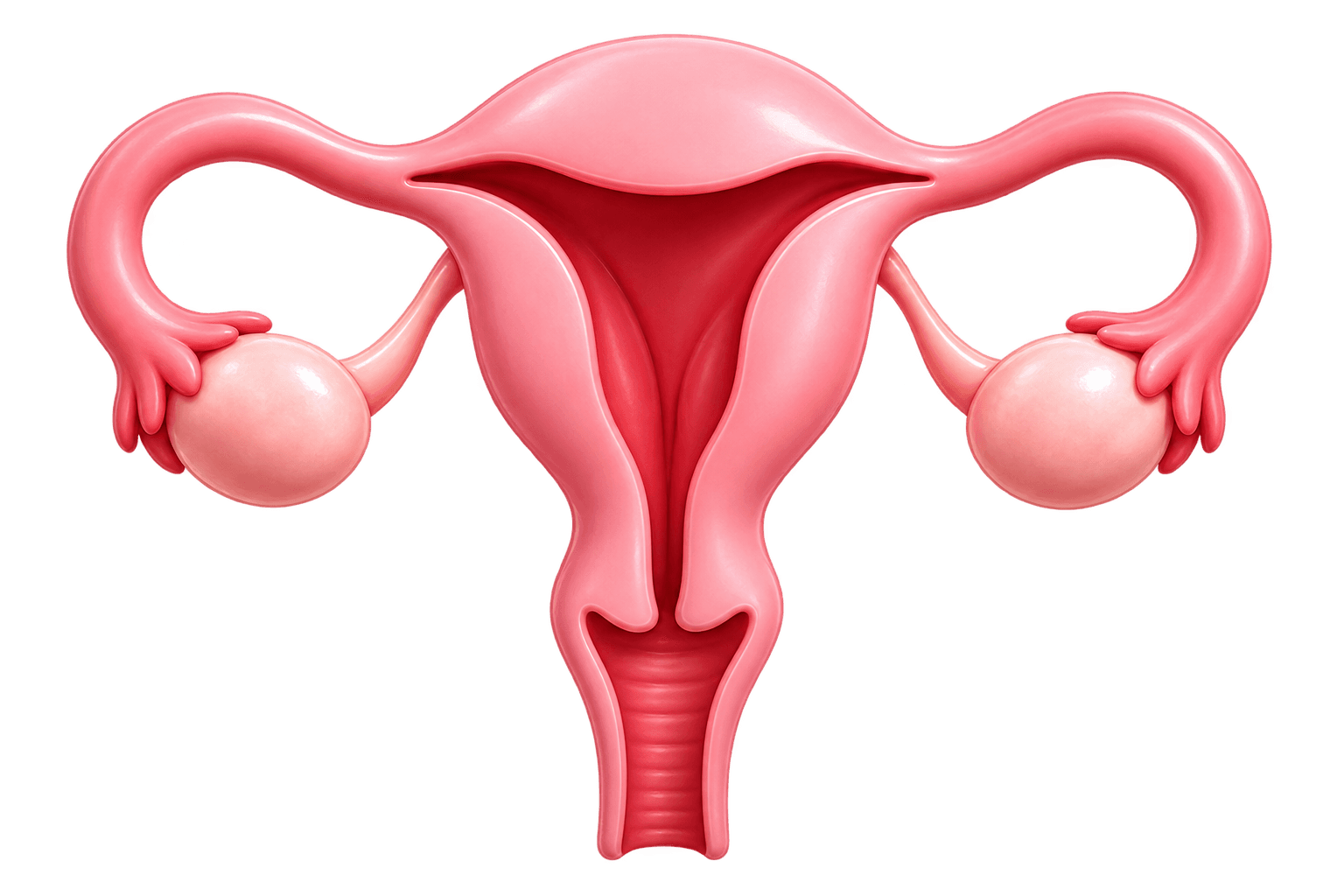
This department covers two related things: pregnancy and childbirth, and the gynaecological health of women outside pregnancy.
That spans routine antenatal care and delivery, menstrual and hormonal problems such as PCOS, and the conditions — fibroids, pelvic pain, menopause symptoms — that many women live with far longer than they need to. Operation theatres and intensive care are on site, which matters for both planned surgery and obstetric emergencies.
When to see a gynaecologist
Any of these is worth an appointment. The first two are urgent in pregnancy.
- Bleeding or severe abdominal pain during pregnancy — come in immediately
- Reduced or absent movements of the baby in later pregnancy — come in immediately
- A confirmed or suspected pregnancy, to begin antenatal care
- Periods that are irregular, absent, very heavy or very painful
- Difficulty conceiving after trying for a year, or six months if you are over 35
- Persistent pelvic pain, or pain during intercourse
- Unusual vaginal discharge, itching or bleeding between periods or after menopause
- Symptoms of PCOS — irregular periods with weight gain, acne or excess hair growth
If you are not sure, treat it as urgent
It is always better to be assessed and sent home than to wait at home with something serious. Emergency care needs no appointment.
What we provide
Antenatal care and delivery
Monitoring through pregnancy, planning for delivery, and care during and after birth, with theatre and newborn support available.
Menstrual and hormonal problems
Investigation and treatment of irregular, heavy or painful periods, and of PCOS.
Gynaecological surgery
Including laparoscopic procedures, for conditions such as fibroids and ovarian cysts.
Pelvic pain and infection
Finding the cause of persistent pelvic pain rather than treating it as something to live with.
Menopause care
Managing symptoms, and the bone and cardiovascular health that becomes more important afterwards.
Cervical and breast health checks
Routine screening and assessment of anything that concerns you or has been found on examination.
How we investigate
Assessment usually combines examination, ultrasound and hormonal blood testing.
- Pelvic and obstetric ultrasound
- Hormonal profiles, including thyroid and PCOS-related testing
- Screening tests for cervical health
- Blood tests for anaemia and infection, which frequently accompany menstrual problems
What to expect
So that nothing about the visit is a surprise.
- 1
Consultation and examination
A discussion of your symptoms or your pregnancy so far, and a physical or pelvic examination where relevant.
- 2
Investigation
Ultrasound or blood tests, chosen to fit what is being looked into — a pregnancy, a hormonal problem, or pelvic pain.
- 3
Discussion of what we found
What the results mean and what the options are, explained clearly before any decision is made.
- 4
Treatment and follow-up
Medication, a procedure, or ongoing antenatal care, with review appointments to check progress.
Frequently asked questions
When should I start antenatal check-ups?
As soon as you know you are pregnant, ideally in the first eight to twelve weeks. Early visits establish your dates, check for anaemia and other treatable problems, and set the schedule for the rest of the pregnancy.
Are irregular periods something to worry about?
Not always — stress, weight change and travel all affect cycles. But persistently irregular periods can point to PCOS, a thyroid problem or other hormonal causes, all of which are treatable and worth identifying rather than tolerating.
Can PCOS be treated?
PCOS cannot be cured, but its effects — irregular cycles, difficulty conceiving, acne, excess hair growth, weight gain — can be managed well with a combination of medication and sustained changes to diet and activity. Treatment is tailored to which of those matters most to you.
Will I see a female doctor?
Tell us your preference when you book and we will do our best to accommodate it. You are also entitled to a female attendant present during any physical examination, whoever is examining you.
Book an appointment with gynaecology & obstetrics
Goga Ji Hospital, Jawahar Colony, Near Disposal Chowk, Faridabad. Tell us what you need and we will arrange a time.