

Operation Theatres
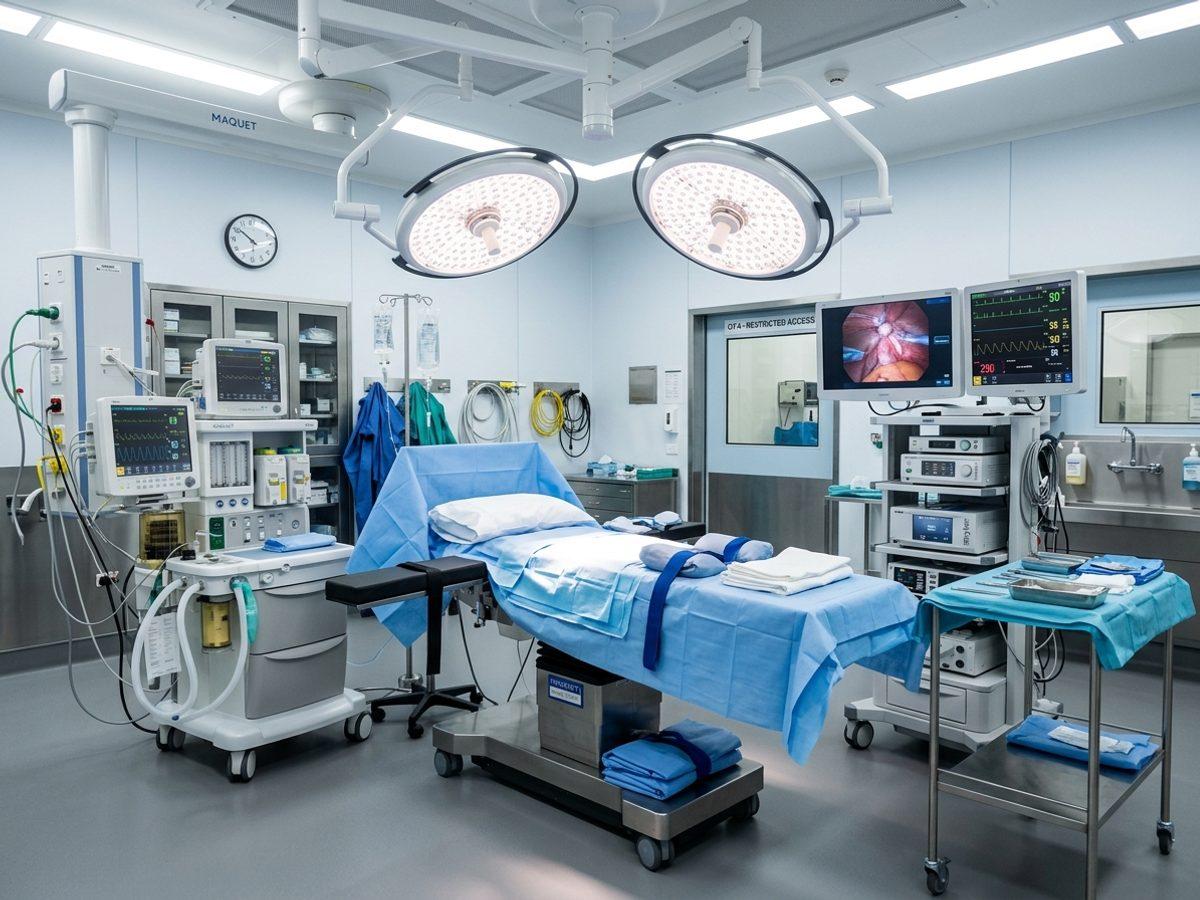
The operation theatres support general, orthopaedic, gynaecological and laparoscopic surgery, with anaesthesia and post-operative recovery care.
Facility information
- Hospital
- Goga Ji Hospital
- Location
- Jawahar Colony, Near Disposal Chowk, Faridabad
- Enquiries
- +91-9266088551
About our operation theatres
The operation theatres are where planned and emergency surgery is carried out, supported by anaesthesia and a monitored recovery area.
They serve every surgical department in the hospital — general surgery, orthopaedics, gynaecology, ENT and urology — and they are available for emergency operations, which is why acute abdominal problems and serious injuries can be dealt with here rather than transferred.
What is carried out here
Surgery across the hospital's surgical departments, planned and emergency.
- General surgery: hernia repair, gallbladder removal, appendix surgery, proctology
- Laparoscopic (keyhole) procedures across the abdomen
- Orthopaedic surgery, including joint replacement and fracture fixation
- Gynaecological surgery
- ENT procedures
- Urological procedures
- Emergency surgery for acute abdominal conditions and injuries
What we provide
Anaesthesia
Assessment before surgery, anaesthesia during it, and pain management afterwards. The anaesthetist is as central to a safe operation as the surgeon.
Laparoscopic capability
Keyhole surgery where it is suitable, which usually means less pain after the operation and a shorter stay.
Sterile processing and infection control
Instrument sterilisation and theatre discipline — the unglamorous foundation of surgical safety.
Monitored recovery
A recovery area where patients are watched closely as anaesthesia wears off, before they return to a ward.
Emergency availability
Theatre capacity kept for urgent operations, so an acute case does not wait for the elective list to finish.
Escalation to intensive care
Patients who need close monitoring after major surgery move directly to the intensive care unit in the same building.
What to expect
So that nothing about the visit is a surprise.
- 1
Pre-operative assessment
Fitness for anaesthesia is checked, and you are told which of your regular medicines to stop or continue.
- 2
Consent and fasting
The procedure and its risks are explained and written consent taken. You are given clear instructions on when to stop eating and drinking.
- 3
The operation
You are anaesthetised and monitored throughout by the anaesthetic team.
- 4
Recovery
You wake in the recovery area under observation, then return to a ward — or to intensive care if closer monitoring was planned.
Frequently asked questions
How long before surgery do I need to stop eating?
You will be given exact instructions, because they depend on the procedure and the type of anaesthesia. Follow them precisely — eating or drinking later than instructed is a common reason operations get postponed on the day.
Should I stop my regular medicines before an operation?
Some yes, some absolutely not. Blood thinners and diabetes medication in particular need specific instructions. Bring a full list of everything you take, including anything bought without a prescription, to your pre-operative assessment.
Will I be admitted overnight?
It depends on the procedure and how you recover. Some operations are done as day cases; others need a stay of a few days. Your surgeon will tell you what is expected for yours, and it may change based on how the operation and your recovery go.
Need to use our operation theatres?
We are at Plot No. 10, Gurudwara Road, Jawahar Colony, Near Disposal Chowk, Faridabad. Get in touch and we will tell you exactly what to do.