

Urology in Faridabad
Urology treats conditions of the kidneys, bladder, prostate and urinary tract in Faridabad, including kidney stones and urinary infections.
- 5 conditions treated
- OPD: Open 24 hours, all days
Department information
- Hospital
- Goga Ji Hospital
- Location
- Jawahar Colony, Near Disposal Chowk, Faridabad
- OPD timings
- Open 24 hours, all days
- Appointments
- +91-9266088551
Conditions treated
The Urology department assesses and treats conditions including these. Where we have a page explaining a condition, it is linked.
- Kidney stones
- Urinary tract infection
- Prostate enlargement
- Blood in urine
- Difficulty passing urine
This describes the scope of the department. It is general information and not a diagnosis — please speak to a doctor about your own symptoms.
About the urology department
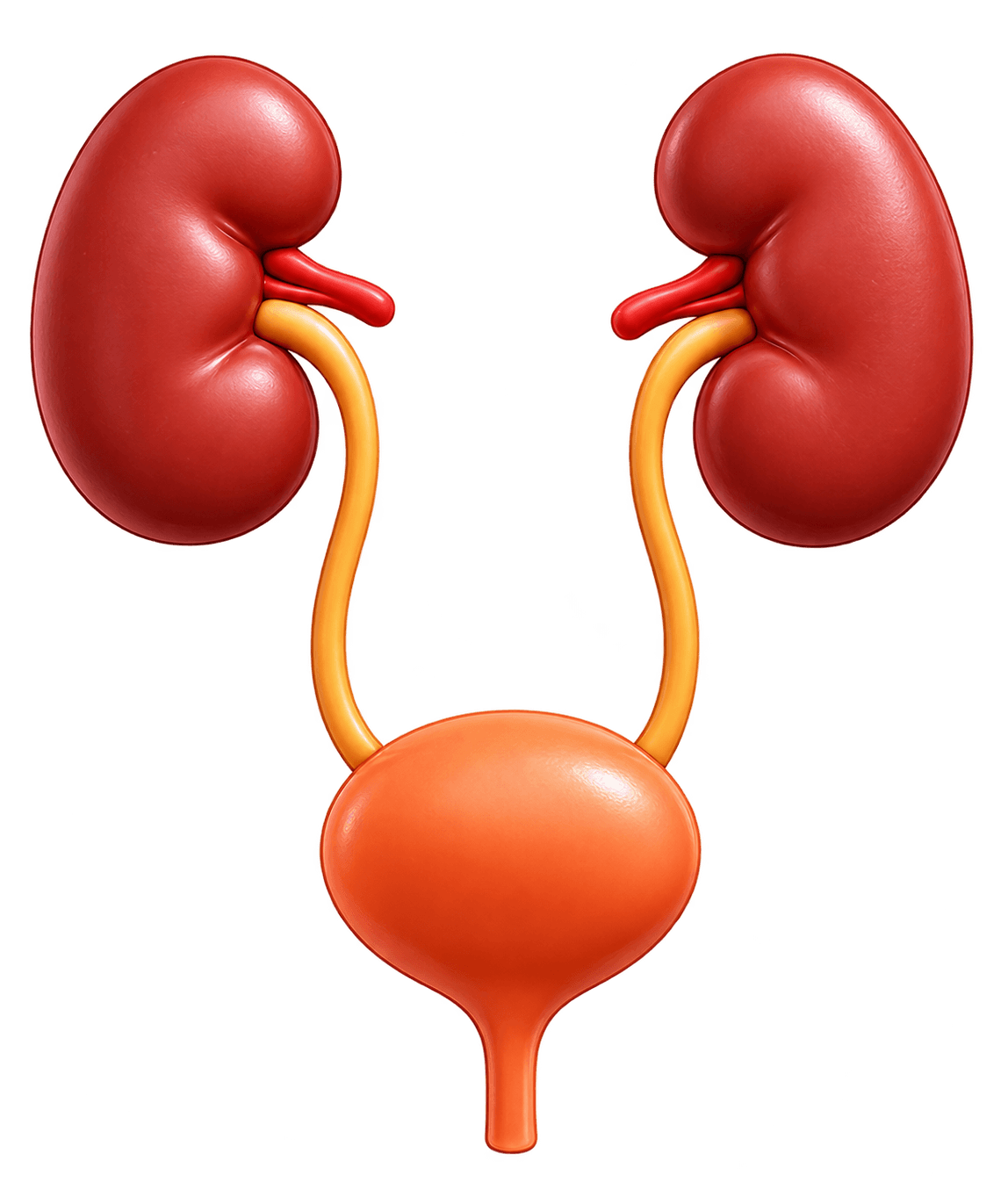
Urology covers the urinary tract — kidneys, ureters, bladder and urethra — and the male reproductive system. The complaints are common and often quietly distressing: stones, infections, and the prostate problems that gradually change how a man sleeps.
Kidney stone pain is among the most severe pain there is, and it is what brings most people to this department. We assess and treat stones medically and surgically, alongside prostate, bladder and urinary infection care.
When to see a urologist
The first two need urgent care. The rest warrant an appointment.
- Severe pain in the side or back radiating to the groin, particularly with vomiting — come to emergency
- Being unable to pass urine at all — come to emergency
- Blood in the urine, at any age, even once
- Burning or pain on passing urine, or repeated urinary infections
- Getting up several times a night to pass urine
- A weak stream, hesitancy, dribbling, or a feeling of incomplete emptying
- A known kidney stone that is now causing symptoms
- Swelling, lump or pain in the testicle or scrotum
If you are not sure, treat it as urgent
It is always better to be assessed and sent home than to wait at home with something serious. Emergency care needs no appointment.
What we provide
Kidney stone treatment
Medical management for stones that can pass on their own, and surgical treatment for those that cannot or are causing obstruction.
Urinary tract infection
Treatment of infections and, importantly, investigation of why they keep recurring.
Prostate assessment and treatment
Investigation of urinary symptoms in men, and treatment of prostate enlargement — medical first, surgical where needed.
Blood in the urine
Systematic investigation. Visible blood in the urine always needs assessment, even if it happens once and settles.
Bladder problems
Assessment of urgency, frequency, incontinence and difficulty emptying.
Endoscopic urological surgery
Minimally invasive procedures performed through the urinary tract rather than open surgery, where suitable.
How we investigate
Urological assessment combines urine testing with imaging of the urinary tract, and direct inspection where indicated.
- Urine testing and culture
- Ultrasound and cross-sectional imaging of the kidneys, ureters and bladder
- Blood tests including kidney function and prostate markers
- Endoscopic inspection of the bladder where symptoms require it
- Measurement of urinary flow and residual volume
What to expect
So that nothing about the visit is a surprise.
- 1
Consultation and examination
A discussion of your symptoms, and an examination where relevant.
- 2
Investigation
Urine tests, blood tests or imaging, chosen to match whether the concern is a stone, an infection or the prostate.
- 3
Discussion of what we found
What the results show and what the treatment options are, including where a procedure may be needed.
- 4
Treatment and follow-up
Medication or a procedure, with review to check the problem has resolved.
Frequently asked questions
Will my kidney stone pass on its own?
Small stones frequently do, with plenty of fluids and pain relief. Larger stones, or any stone causing obstruction, infection or unrelenting pain, usually need a procedure. Size and position on imaging determine which situation you are in, so it is worth getting scanned rather than waiting it out indefinitely.
How can I stop kidney stones coming back?
The single most effective measure is drinking enough water that your urine stays pale throughout the day. Beyond that, reducing salt, moderating animal protein, and — depending on the type of stone — adjusting specific dietary components all help. If you have had a stone analysed, the advice can be made specific to it.
Is blood in the urine always serious?
Not always — infections and stones commonly cause it. But it can also be the first sign of something that needs treating early, so visible blood in the urine should always be investigated, even if it happens once and then stops.
Do prostate symptoms always mean cancer?
No. Most urinary symptoms in older men are caused by benign enlargement of the prostate, not cancer. Because the symptoms overlap, assessment is how the two are distinguished — which is a reason to come in rather than to worry quietly.
Book an appointment with urology
Goga Ji Hospital, Jawahar Colony, Near Disposal Chowk, Faridabad. Tell us what you need and we will arrange a time.