

Arthritis: Symptoms, Types and Treatment
Arthritis is joint inflammation that causes pain and stiffness. Treatment usually starts with medication, physiotherapy and weight management, with surgery considered only in advanced cases.
- Orthopaedics
- 3 urgent warning signs
At a glance
- Department
- Orthopaedics
- Hospital
- Goga Ji Hospital
- Location
- Jawahar Colony, Near Disposal Chowk, Faridabad
- Appointments
- +91-9266088551
This page explains the condition in plain language: what it is, what causes it, what to watch for, and when a symptom needs urgent attention rather than an appointment.
What is arthritis?
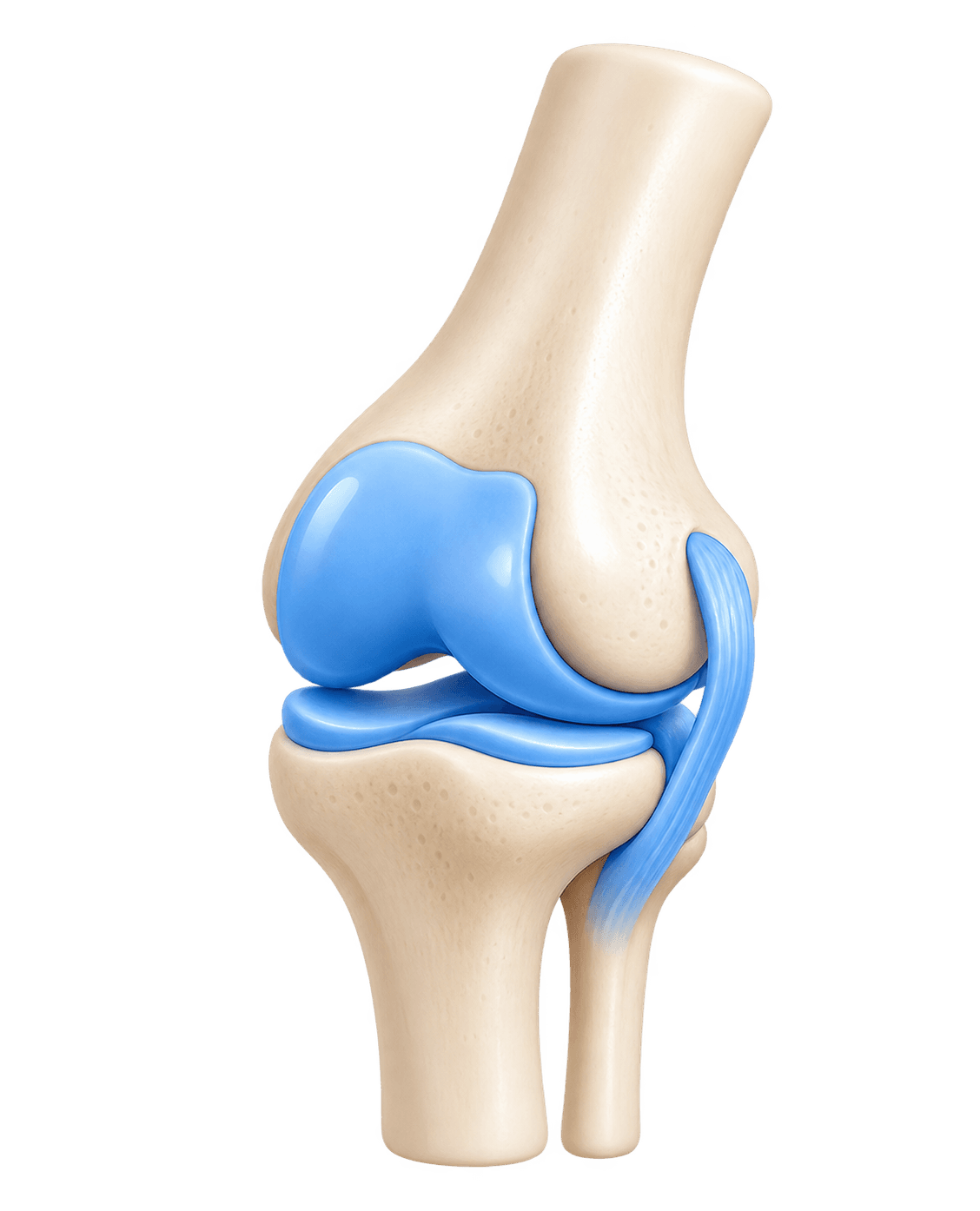
Arthritis means inflammation of a joint. The two commonest forms behave very differently. Osteoarthritis is wear of the cartilage that cushions a joint, usually developing with age and load, most often in knees, hips and hands. Rheumatoid arthritis is an autoimmune disease in which the body attacks its own joint linings, typically affecting several small joints on both sides.
The distinction matters because the treatments differ substantially — and because inflammatory arthritis benefits enormously from early treatment, which makes getting the right diagnosis early genuinely worthwhile.
Symptoms
The pattern of symptoms usually indicates which type of arthritis is present.
- Joint pain, stiffness and reduced movement
- Stiffness in the morning — brief in osteoarthritis, prolonged in inflammatory arthritis
- Swelling, warmth or redness over a joint, suggesting inflammation
- Pain that worsens with use in osteoarthritis, and eases with use in inflammatory arthritis
- Grinding or crackling in the joint
- Several small joints affected symmetrically, in rheumatoid arthritis
- Tiredness and generally feeling unwell, with inflammatory types
Causes and risk factors
Depends on the type.
- Age and cumulative load on the joint, in osteoarthritis
- Being overweight — each extra kilogram multiplies through the knee with every step
- Previous joint injury or fracture
- Occupations or activities involving repeated kneeling, squatting or lifting
- Family history
- Autoimmune processes, in rheumatoid and related arthritis
- High uric acid, in gout
When to seek help
The first group needs emergency care today. The second warrants an appointment.
Go to emergency now
- A single joint that is hot, very swollen and severely painful, especially with fever — this may be joint infection and needs same-day assessment
- Sudden inability to move or bear weight on a joint
- Joint pain after significant injury
Book an appointment
- Joint pain lasting more than a few weeks
- Morning stiffness lasting more than 30 minutes
- Swelling in several joints, particularly on both sides
- Joint pain that is limiting walking, work or sleep
- Pain not controlled by simple painkillers
- Any joint symptoms with a family history of rheumatoid arthritis
How it is diagnosed
Examination usually establishes the pattern; tests confirm the type and severity.
- Examination of the affected joints, and of the ones you have not mentioned
- X-rays to assess joint space, alignment and damage
- Blood tests for inflammation, rheumatoid factor and related markers
- Uric acid where gout is suspected
- Joint fluid aspiration where infection or crystal arthritis is a possibility
Treatment
Most arthritis is treated without surgery. In inflammatory arthritis, starting treatment early changes the long-term course.
Weight management
For knee and hip osteoarthritis this is among the most effective interventions available, and it is frequently the least discussed.
Physiotherapy and exercise
Strengthening the muscles around a joint reduces the load through it. Counterintuitively, appropriate movement usually helps more than rest.
Medication
Pain relief and anti-inflammatory treatment for osteoarthritis; disease-modifying drugs for rheumatoid arthritis, which slow joint damage rather than only easing symptoms.
Injections
Targeted injections can reduce inflammation in a specific joint enough for rehabilitation to progress.
Joint replacement
For advanced osteoarthritis where pain limits daily life and other treatments have stopped working.
Living with it
Day-to-day management makes a substantial difference.
- Keep moving — inactivity stiffens joints and weakens the muscles supporting them
- Choose low-impact activity: walking, cycling, swimming
- Lose weight if you carry extra, particularly with knee or hip arthritis
- Use walking aids without embarrassment if they let you stay active
- Adapt the home: a higher chair, a raised toilet seat, avoiding deep squatting
- Take inflammatory-arthritis medication consistently, including when you feel well
Frequently asked questions
Is arthritis just part of getting old?
Osteoarthritis becomes more common with age, but pain and disability are not inevitable and should not be accepted as such. Weight, muscle strength and activity all substantially change how much a worn joint hurts. And several types of arthritis have nothing to do with age at all.
Should I rest or exercise a painful joint?
For most arthritis, appropriate exercise helps and prolonged rest makes things worse — muscles weaken and the joint stiffens. The exceptions are an acutely inflamed or infected joint, or a fresh injury. Because those exceptions matter, it is worth being assessed rather than following a general rule.
Will I definitely need a joint replacement?
No. Most people with osteoarthritis never have surgery. Replacement is considered when pain limits daily life and medication, physiotherapy and weight management have stopped working — not simply because a scan looks bad.
How do I know if it's rheumatoid arthritis?
Suggestive features are prolonged morning stiffness, several small joints affected on both sides, swelling with warmth, and feeling generally unwell or tired. Blood tests and examination confirm it. It is worth getting checked promptly, because early treatment meaningfully changes the long-term outcome.
This page is general health information, not medical advice. It cannot account for your history, medication or test results. Please speak to a qualified doctor about your own symptoms and treatment. If you think you are having a medical emergency, seek immediate help.
Need a medical evaluation?
Explore orthopaedics care at Goga Ji Hospital, Faridabad.