

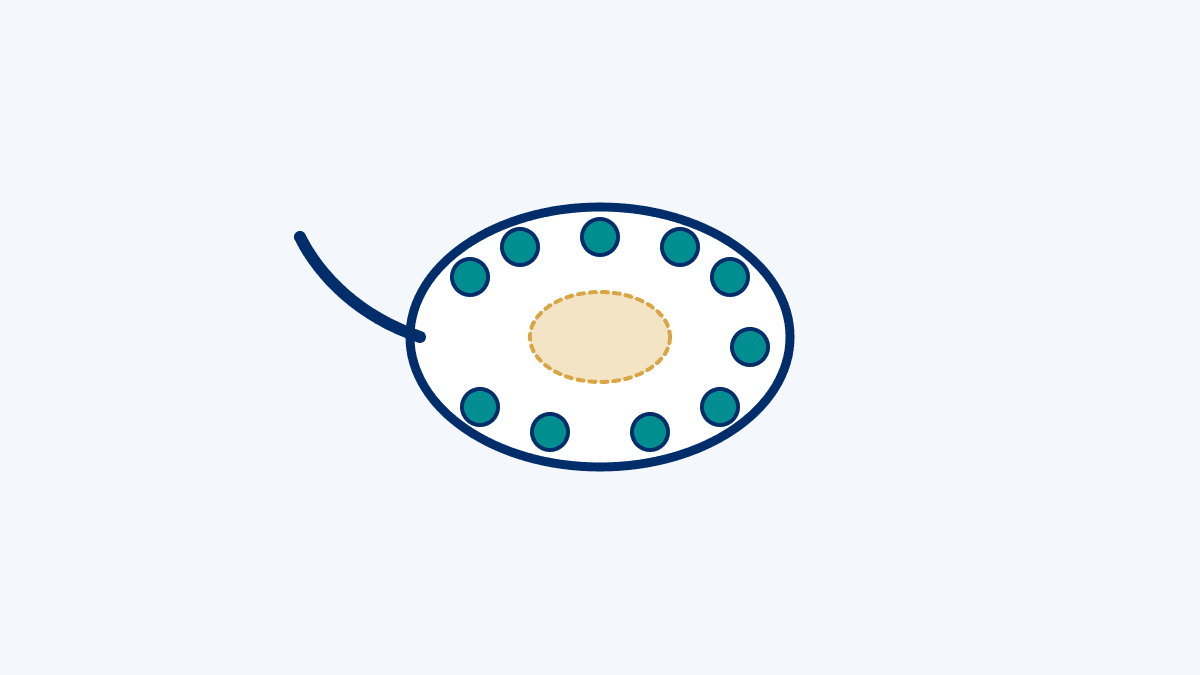
The main symptoms
Polycystic ovary syndrome affects how the ovaries work, and the symptoms cluster in three areas:
- Irregular or absent periods — cycles longer than 35 days, fewer than eight periods a year, or periods that stop altogether
- Signs of excess androgens — acne persisting beyond the teenage years, oily skin, excess hair growth on the face, chest or abdomen, and thinning hair at the scalp
- Difficulty conceiving, because ovulation is irregular or absent
Not everyone has all three, and the name is somewhat misleading: you can have PCOS without cysts on a scan, and cysts on a scan without having PCOS.
Symptoms that get overlooked
- Weight gain, particularly around the abdomen, and difficulty losing it
- Dark, velvety patches of skin in the neck folds, armpits or groin — a sign of insulin resistance
- Fatigue and disrupted sleep
- Low mood and anxiety, which are genuinely more common in PCOS and often dismissed as secondary
- Heavy bleeding when a period does arrive, after a long gap
- Skin tags
Why it happens
The precise cause is not fully understood, but two mechanisms drive most of it:
Insulin resistance. The body produces more insulin to do the same job, and high insulin levels push the ovaries to produce more androgens. This is why weight, diet and activity have such a large effect, and why PCOS and diabetes risk are linked.
Hormonal imbalance. Raised androgen levels disrupt the normal cycle of follicle development and ovulation.
There is a strong familial tendency, and PCOS is common among South Asian women — often presenting earlier and with more marked insulin resistance.
How it is diagnosed
There is no single test. Diagnosis is made when at least two of three features are present, and other causes have been excluded:
- Irregular or absent ovulation
- Clinical or blood-test evidence of excess androgens
- Appearance of the ovaries on ultrasound
Investigations usually include hormonal blood tests, thyroid function, prolactin, blood sugar or HbA1c, and a pelvic ultrasound. The thyroid and prolactin tests matter because both can cause very similar symptoms and are treated quite differently.
What actually helps
Treatment is directed at whichever symptoms are affecting you, so two women with PCOS may be treated quite differently.
- Weight reduction, where there is weight to lose. Even a modest reduction can restore regular cycles, and it is the single most effective intervention. It is also the hardest, and PCOS makes it harder — which is worth acknowledging rather than glossing over
- Regular activity, which improves insulin sensitivity independently of weight loss
- Dietary change focused on reducing refined carbohydrate and sugar
- Hormonal treatment to regulate cycles and protect the lining of the womb, and to improve acne and excess hair growth
- Insulin-sensitising medication, where insulin resistance is significant
- Dermatological treatment for acne and hair growth, which our dermatology department can manage alongside
- Ovulation induction, where pregnancy is the goal
PCOS and fertility
PCOS is one of the commonest causes of difficulty conceiving — and also one of the most treatable. Many women with PCOS conceive naturally, and many more with straightforward ovulation-induction treatment.
Two practical points: weight reduction before conception improves both fertility and pregnancy outcomes meaningfully, and irregular cycles do not mean you cannot conceive, so contraception is still needed if pregnancy is not wanted.
The longer-term risks worth knowing
PCOS is not only about periods and skin. Over years it raises the risk of:
- Type 2 diabetes and gestational diabetes
- High blood pressure and cardiovascular disease
- Thickening of the womb lining, if very long gaps between periods go untreated — which is one reason cycle regulation matters beyond convenience
- Sleep apnoea, particularly with weight gain
None of this is inevitable, and all of it is influenced by the same measures that treat the symptoms. Periodic checks of blood sugar and blood pressure are sensible — a preventive health checkup covers both.
Our gynaecology and obstetrics department assesses and manages PCOS.
This page is general health information, not medical advice. It cannot account for your history, medication or test results. Please speak to a qualified doctor about your own symptoms and treatment. If you think you are having a medical emergency, seek immediate help.